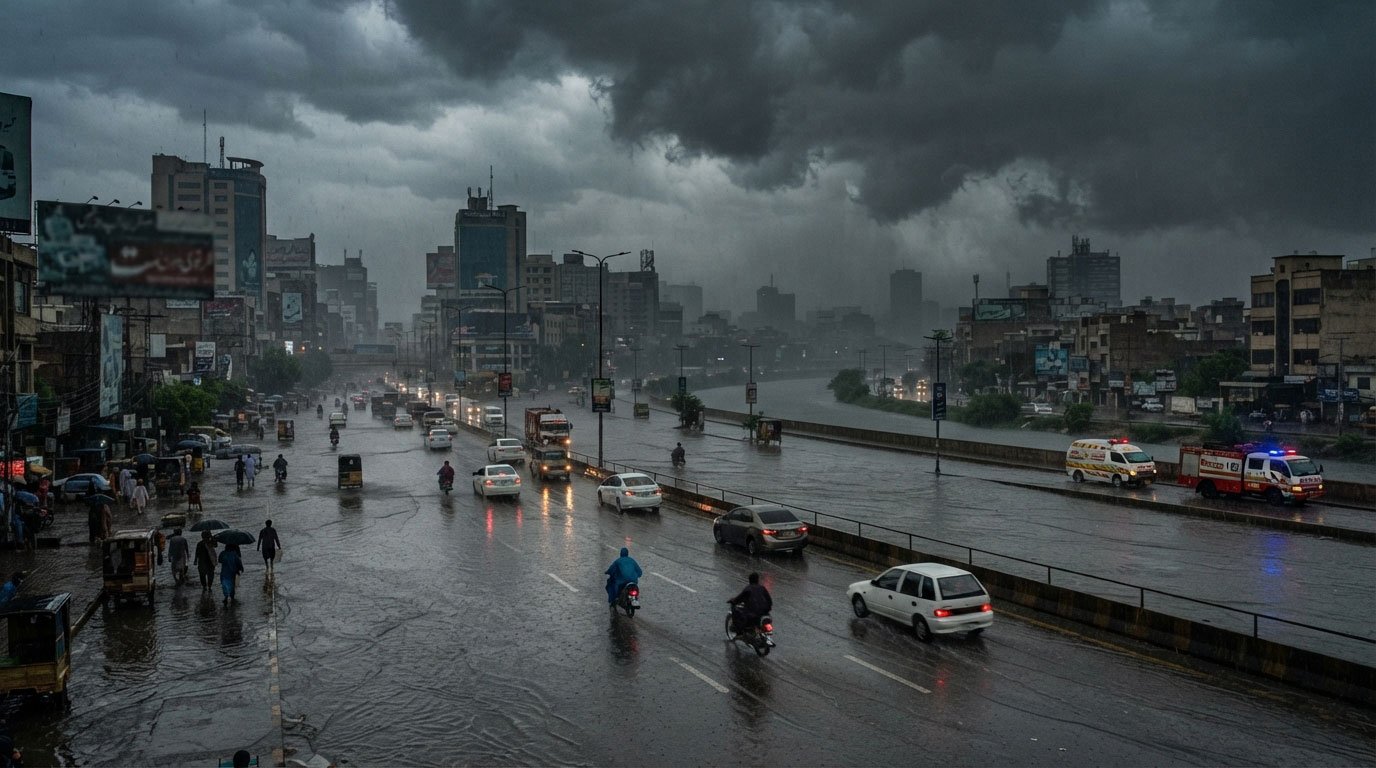
Pakistan Weather Alert: Rain Expected to Continue
The National Disaster Management Authority (NDMA) has issued alerts for several parts of Pakistan as widespread rainfall continues across the country.
According to the latest NDMA information, rainfall-related risks include urban flooding, flash floods, river flooding, landslides and increased water flows in rivers and streams in vulnerable areas. NDMA+1
The current weather situation is particularly important for residents of Punjab, Khyber Pakhtunkhwa, Balochistan, Gilgit-Baltistan and Azad Jammu & Kashmir.
How Long Will the Rain Continue?
Current reports indicate that rainfall is expected to continue in several parts of the country until September 17, 2026. The Express Tribune+1
NDMA’s latest monitoring system also lists active rainfall alerts for multiple regions.
As of the latest update, NDMA lists:
| Region | Current Alert |
|---|---|
| Punjab | Moderate Rain |
| Khyber Pakhtunkhwa | Moderate Rain |
| Sindh | Moderate Rain |
| Balochistan | Severe Rain |
| GB & AJK | Severe Rain |
NDMA also lists an Extreme Flood alert covering parts of KP, Gilgit-Baltistan, Punjab and Balochistan. NDMA
Which Areas Face Flood Risk?
The weather situation could create different types of flooding depending on the location.
Punjab
Punjab has active rainfall alerts, with urban areas potentially vulnerable to water accumulation and drainage problems.
Residents in low-lying areas should remain alert during heavy rainfall.
Khyber Pakhtunkhwa
Several areas of KP face the possibility of flash flooding because of heavy rainfall and increased flows in streams and rivers.
Reported vulnerable areas include parts of Upper Dir, Swat, Bajaur, Malakand, Kurram, Kohistan, Mohmand and Orakzai. The Express Tribune
Gilgit-Baltistan
Mountainous areas of Gilgit-Baltistan face additional risks because heavy rainfall can trigger flash floods, landslides and other hazards.
NDMA has identified areas including Gilgit, Diamer, Ghizer, Nagar, Hunza, Skardu and Shigar among locations requiring attention. The Express Tribune
Balochistan
Balochistan is also under an active severe-rain alert, according to NDMA’s latest monitoring information. NDMA
Landslide Risk in Northern Pakistan
Heavy rainfall can increase the risk of landslides in mountainous areas.
People travelling through mountainous districts should be particularly careful on roads near:
- Steep slopes
- Mountain streams
- Landslide-prone areas
- Narrow valleys
- River crossings
NDMA’s current system also lists a GLOF/flash flood/debris-flow alert for northern Pakistan covering September 14–20, 2026. NDMA
What Should People Do During Heavy Rain?
Residents in affected areas should take basic precautions.
1. Avoid Unnecessary Travel
If heavy rain is continuing, avoid unnecessary travel, especially through areas already experiencing flooding.
2. Stay Away From Floodwater
Do not attempt to walk or drive through fast-moving floodwater.
Even apparently shallow water can be dangerous because roads may be damaged underneath.
3. Keep Important Documents Safe
Keep CNICs, passports, property documents and other important papers in waterproof packaging.
4. Charge Mobile Phones
During severe weather, electricity and communications can sometimes be disrupted. Keeping phones and power banks charged can be useful.
5. Follow Official Alerts
Residents should follow updates from:
- NDMA
- Provincial disaster management authorities
- Pakistan Meteorological Department
- Local administration
- Police and rescue services
What About Urban Flooding?
Urban flooding can occur when rainfall exceeds the capacity of drainage systems.
Heavy rain can result in:
- Water accumulating on roads
- Traffic disruption
- Water entering low-lying buildings
- Blocked roads
- Power-related hazards
- Difficulties for pedestrians and motorists
People should avoid standing water near electrical infrastructure and should not touch electrical equipment with wet hands.
Latest NDMA Monitoring
NDMA’s official emergency-monitoring system provides real-time information on weather parameters and hazard conditions. Its latest alerts include rainfall warnings for several regions and flood-related alerts for vulnerable areas.
NDMA also maintains daily monsoon situation reports, with Monsoon 2026 Daily Situation Report No. 82 listed as the latest report dated September 15, 2026. NDMA
Frequently Asked Questions
Is there a rain alert in Pakistan today?
Yes. NDMA currently lists rainfall alerts for several parts of Pakistan, including Punjab, KP, Sindh, Balochistan, GB and AJK. NDMA
When will the current rain spell end?
Current reports indicate that rainfall may continue in affected areas through September 17, 2026, although conditions can vary by location. The Express Tribune
Which areas face flood risk?
Parts of Punjab, KP, Balochistan and northern Pakistan are among the areas facing flood-related risks according to current NDMA alerts. NDMA+1
Is there a landslide risk?
Yes. Mountainous areas can face landslides and debris flows during periods of heavy rainfall. NDMA has also issued a GLOF/flash-flood/debris-flow alert for northern Pakistan covering September 14–20. NDMA
Where can I check official weather alerts?
The latest alerts and situation reports are available through the National Disaster Management Authority (NDMA) and relevant provincial disaster-management authorities. NDMA
Final Thoughts
Pakistan is experiencing another period of widespread rainfall, with NDMA monitoring rainfall, flash flooding, river flows and landslide risks in several regions.
Residents should monitor local alerts and avoid unnecessary travel through areas affected by flooding or heavy rainfall. Since weather conditions can change quickly, the latest official NDMA and local administration updates should be checked before travelling. NDMA+1
Official References
About the Author